Title: Die Casting Quotation Logic and Cost Control Essentials for Mold Engineers
August 21, 2026
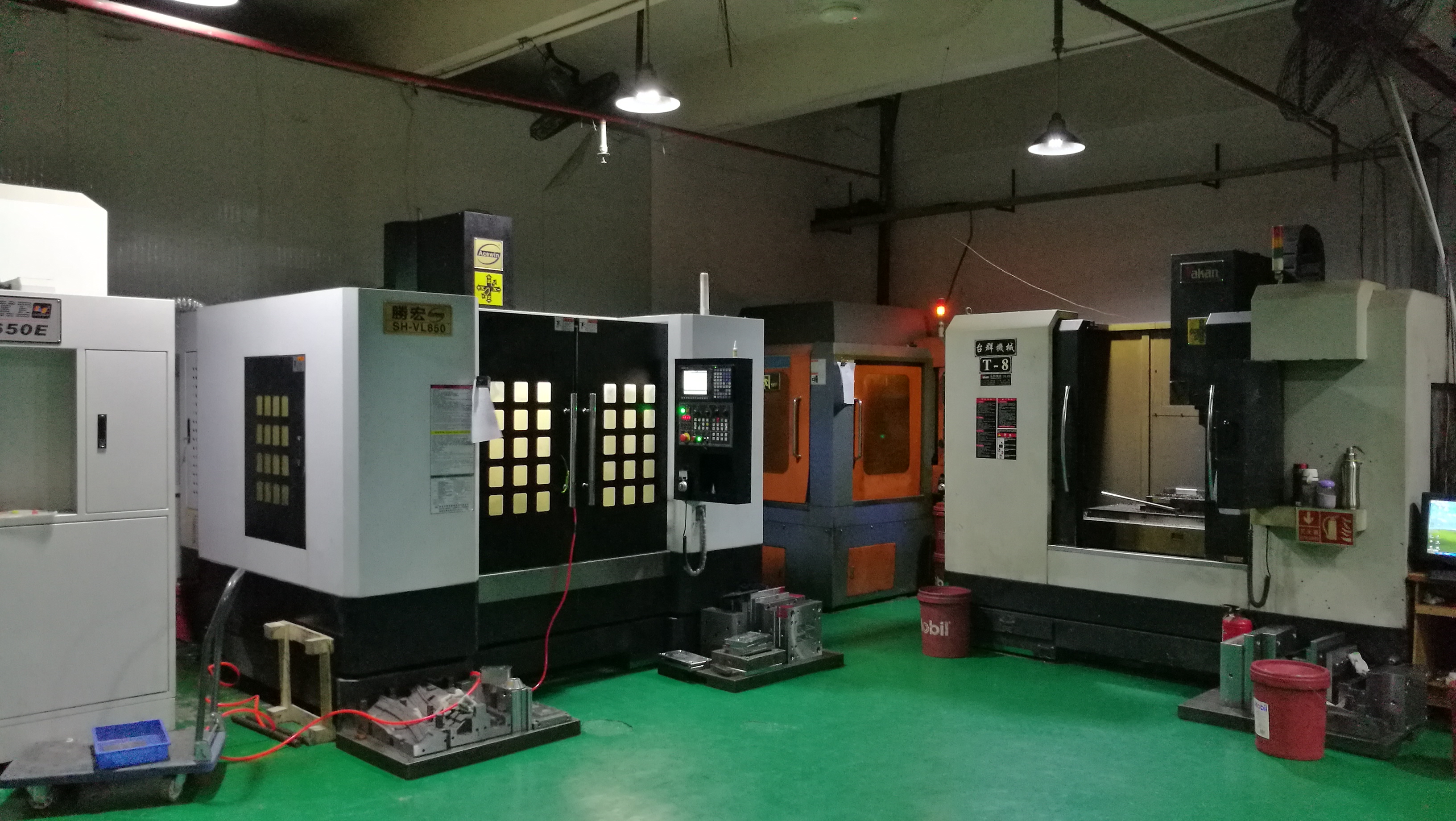
When quoting die casting jobs, the first thing to nail down is the true cost per shot, not just the piece price. Experienced mold engineers know that the cycle time, shot weight, and machine tonnage are the three pillars of cost estimation. For example, a typical aluminum A380 part with a 2.5 mm average wall thickness and a 1.2 kg shot weight on a 400-ton cold chamber machine will run a cycle around 60 seconds. That translates to roughly 60 shots per hour, and with a machine rate of $85/hour, the direct machine cost lands near $1.42 per shot. Add in alloy cost (currently about $1.90/kg for A380), trim press labor, and secondary finishing, and the true piece cost often exceeds the raw material price by 3–4 times. Underquoting happens when shops ignore the scrap rate—typically 3–5% for stable tooling but up to 12% for complex thin-wall parts—or when they forget to factor in die lube, quenching, and X-ray inspection for porosity-critical castings.
Cost control starts at the tool design stage. A well-designed die with proper gate geometry and overflow placement can reduce porosity and flash, which directly cuts trimming and machining costs. For instance, using a three-plate design for multi-cavity parts may add 15% to tool build cost but can lower cycle time by 8–10 seconds per shot, paying back within 30,000 shots. Also, thermal management is a hidden lever: conformal cooling channels can cut cooling time by 20–30%, which on a 60-second cycle means 12–18 seconds saved per shot. Over a 100,000-piece run, that’s 3,000–5,000 hours of machine time—worth $255,000–$425,000 at the rate above. On the quoting side, always run a DFM review before pricing. Wall thickness variations, draft angles under 1.5 degrees, and deep ribs without proper radii all increase die wear and shot defects, driving up rework costs. A rule of thumb: for every 0.1 mm reduction in nominal wall thickness, expect a 5–8% increase in die maintenance cost per 10,000 shots.
For buyers and mold shops alike, the smart move is to negotiate based on total cost of ownership, not just piece price. That means factoring in die life (typically 150,000–300,000 shots for aluminum, depending on H13 steel grade and heat treatment), replacement inserts, and the cost of downtime for die changes. A robust quoting template should include a breakdown of tool amortization, per-shot consumables, and a contingency of 3% for unexpected porosity or dimensional tweaks. Also, consider secondary operations—CNC machining of critical datum features, vibratory deburring, or pressure testing—these can add 20–40% to the final part cost and are often where quoting errors occur. To keep your die casting projects profitable, always validate your assumptions against real production data from similar parts. For more die casting and mold sourcing insights, visit MoldWorld at www.moldw.com.