Die Casting’s Three Pillars: How Equipment, Tooling, and Alloy Work as One System
August 21, 2026
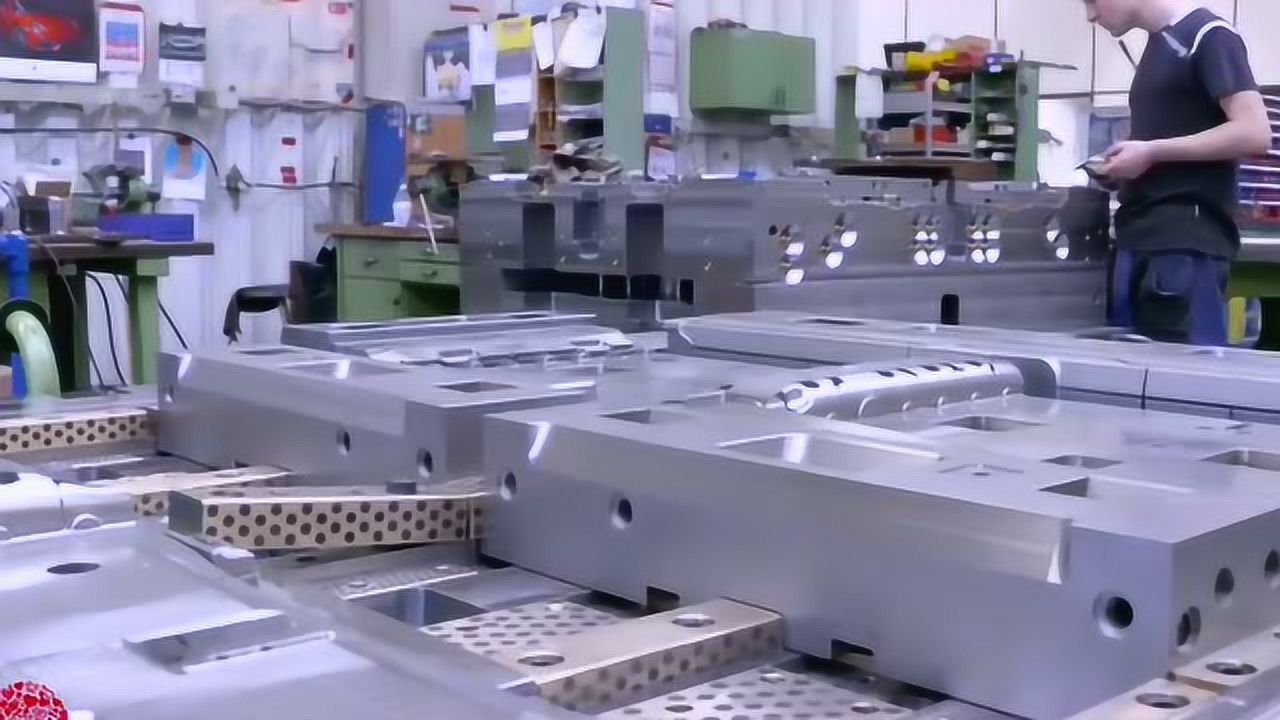
In daily die casting production, we often chase the “perfect shot” by tweaking one variable—faster injection, hotter metal, or a tighter die lock. But experienced mold engineers know that true stability comes from treating equipment, tooling, and alloy as a single closed-loop system. The machine’s clamping force must match the projected area of the casting and the specific pressure of the alloy; otherwise, flash or short fills appear. For example, a 400-ton cold chamber machine running A380 aluminum at 70 MPa specific pressure will yield a maximum projected area of roughly 570 cm²—exceed that, and you’re fighting the physics of the press, not the die.
Tooling is where the synergy becomes most visible. Die steel grade, cooling channel layout, and gate geometry must be tuned to the alloy’s solidification range. For zinc alloys (ZA-8), which freeze fast, you need aggressive gate velocities (40–60 m/s) and short runner lengths to avoid cold shuts. For aluminum alloys like ADC12, a slower fill (25–35 m/s) with a wider gate reduces turbulence and porosity. Meanwhile, the die’s thermal balance—often managed by baffle coolers or pulsed water lines—must match the machine’s shot profile. If the die runs too hot, soldering and erosion shorten tool life; too cold, and you get surface cracks. Real-world data from high-pressure die casting (HPDC) shops shows that a 10°C drop in die surface temperature can reduce casting shrinkage defects by up to 15%, but only if the alloy’s liquidus-to-solidus window is respected.
Finally, alloy chemistry is not a fixed input—it interacts with both the machine and the die over time. Iron content in aluminum alloys, typically kept at 0.8–1.2% to prevent die soldering, must be monitored because it precipitates as hard intermetallics that wear gate inserts. Similarly, magnesium alloys require slower shot speeds and higher die temperatures (200–250°C) to avoid cold cracking, which forces a different cooling circuit design. The practical takeaway: never change one pillar without auditing the other two. A new alloy or a faster cycle demands a re-check of die hardness, thermal fatigue resistance, and the machine’s accumulator pressure. For more detailed sourcing of die casting dies, machines, or alloys, visit MoldWorld at www.moldw.com—a practical resource for shop-floor engineers.