Plastic Molding Processes Decoded: 23 Core Methods from Injection to Foaming
August 20, 2026
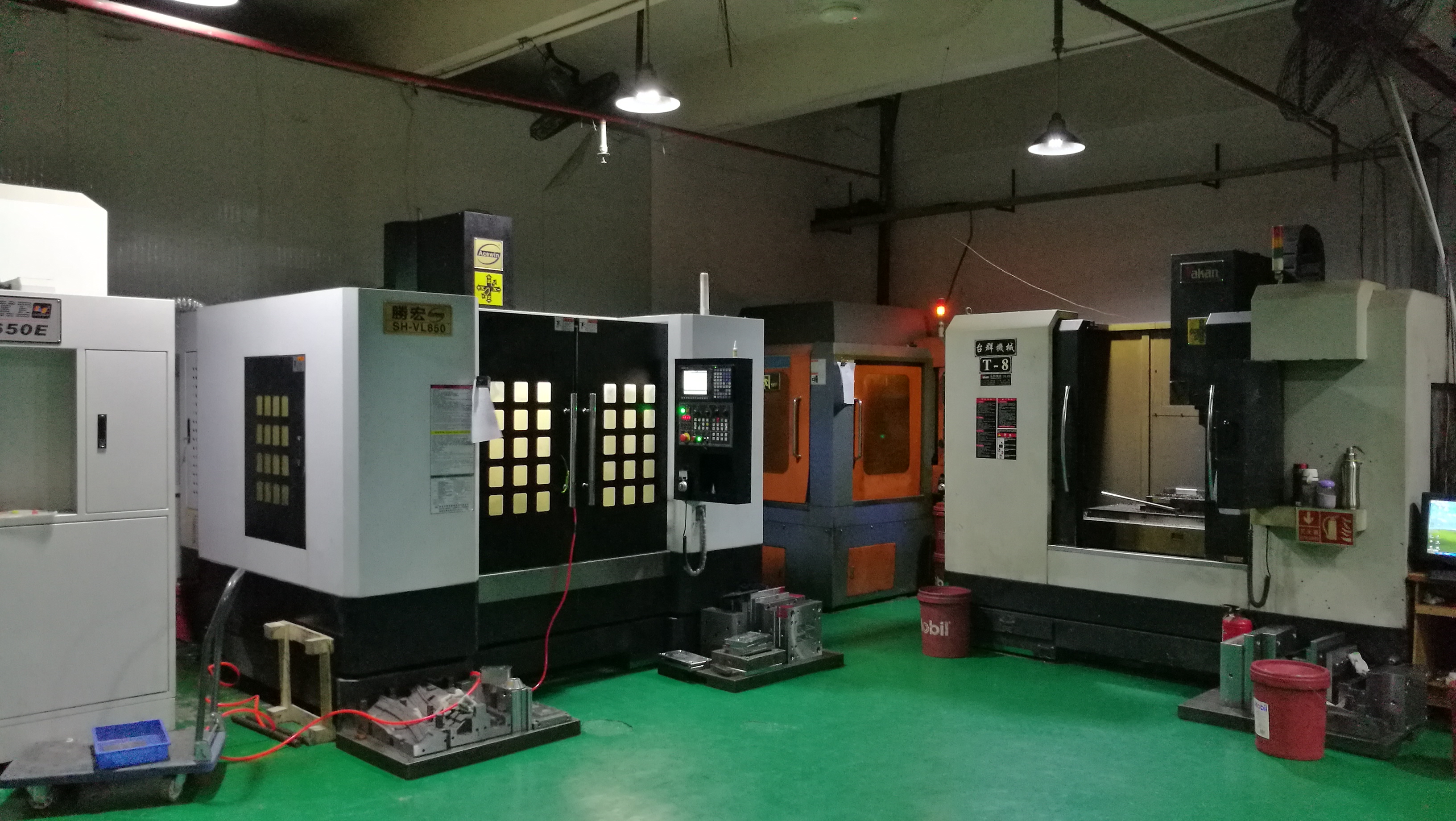
Injection molding remains the workhorse of the industry, accounting for over 70% of all thermoplastic parts produced globally. The key parameters every mold engineer must respect are melt temperature (typically 200–300°C for ABS, PC, or nylon), injection pressure (up to 180 MPa for thin-wall parts), and cooling time, which often consumes 60–70% of the total cycle. For high-volume production, a multi-cavity mold with hot runners can cut per-part cost by 30–50%, but it demands tighter tolerance control and a higher upfront investment. When quoting, always factor in the mold steel grade—P20 for low-volume, H13 for abrasive resins, and stainless for medical or food-contact—since that alone can shift tooling cost by 25–40%.
Beyond standard injection, compression molding and transfer molding are still preferred for thermosets and high-glass-fiber composites, where flow length is limited and void content must stay below 2%. Blow molding, both extrusion and injection-stretch types, is the go-to for hollow parts like bottles and fuel tanks, with parison thickness control being the main cost driver. Rotational molding, though slower with cycle times of 30–60 minutes, offers stress-free parts and low mold cost for large tanks or playground equipment. Structural foam molding, using a chemical blowing agent, reduces weight by 10–20% and warpage significantly, but the surface finish requires a secondary coating—an often overlooked cost in quoting. Each process has its own shrinkage rate (from 0.2% for ABS to 2.5% for polypropylene), and that data must be embedded in the mold design from day one.
For sourcing teams, the real challenge is matching the process to the part geometry, annual volume, and tolerance class. A 5,000-piece run of a simple bracket may be cheaper with a single-cavity aluminum mold (tooling under $8,000), while a 500,000-piece automotive housing justifies a hardened steel, 4-cavity hot-runner system. Also, don't ignore secondary operations—insert molding, overmolding, and in-mold labeling can consolidate parts but add cycle time and scrap risk. Always request a full process capability report (CpK > 1.33) and a documented shrinkage trial before finalizing any tooling contract. For more detailed comparisons and supplier benchmarks, visit MoldWorld (www.moldw.com) for verified mold sourcing data and real shop-floor cost examples.