Title: The Division of Labor Between Moving and Fixed Mold Halves: The Key to Understanding Injection Mold Design
August 19, 2026
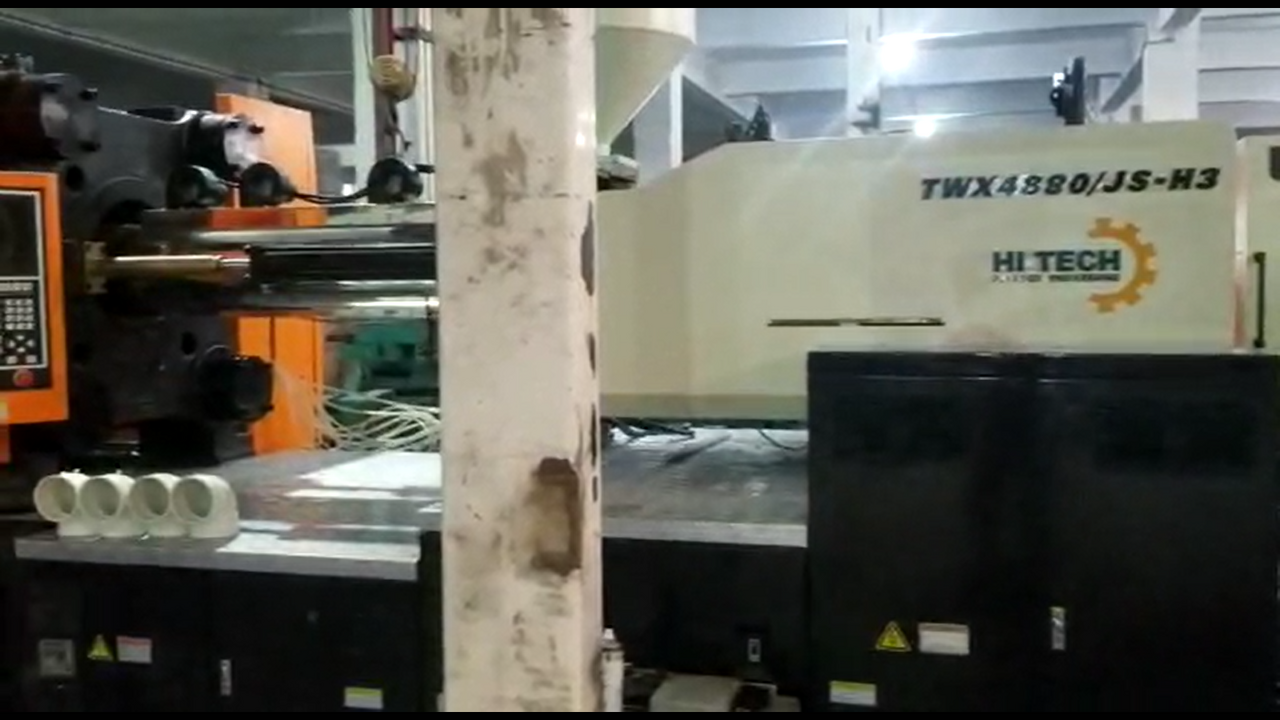
In plastic injection molding, the fixed mold half (also called the front mold or cavity side) is mounted to the stationary platen of the injection machine. Its primary responsibility is to house the sprue, runner, and gate system—collectively known as the feed system—which directs molten polymer into the cavity. Additionally, the fixed half typically forms the cosmetic or structurally critical surfaces of the part, where dimensional accuracy and surface finish matter most. Because this half remains stationary during the cycle, it is also the natural location for inserts or core pins that define complex internal geometries. In practice, the fixed mold half must be designed with sufficient cooling channel density to manage the heat load near the gate area, where shear heating is highest, otherwise sink marks or warpage can occur on visible surfaces.
The moving mold half, or rear mold, is attached to the moving platen and performs the dynamic functions of the cycle. It carries the ejection system—ejector pins, sleeves, or stripper plates—as well as the majority of side-action cores, lifters, and hydraulic or pneumatic cylinders for undercut release. During mold opening, the moving half retracts, and the part stays on the moving side due to shrinkage-induced grip on the core. This is not accidental; the designer deliberately ensures that the part’s draft angles and core surface roughness favor retention on the moving side. The cooling system on this half is equally critical, especially for thick sections near the ejector pin locations, where localized hot spots can lead to prolonged cycle times. Proper placement of cooling lines relative to ejector pins requires careful coordination, as both compete for space in the same core plate.
Understanding this division of labor is not just academic—it directly affects mold maintenance, troubleshooting, and cost estimation. For example, if a part sticks to the fixed half, the usual fix involves adjusting draft angles or adding ejector provisions on the fixed side, which is more complex and expensive than modifying the moving half. Similarly, side actions are almost always mounted on the moving half to simplify the mold opening sequence and reduce the risk of damage during high-speed cycling. For mold buyers and sourcing engineers, this logic also dictates which mold base components are standardized and how quickly a mold can be quoted. If you are evaluating a new mold supplier or comparing tooling options, visiting MoldWorld (www.moldw.com) provides access to a broad network of mold makers, component suppliers, and technical resources to help you make informed sourcing decisions.