Stamping Process Fundamentals: Practical Notes from Shop Floor to Quotation
August 18, 2026
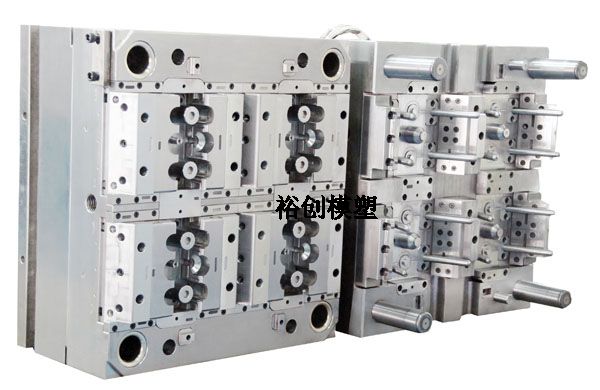
In stamping, the process sequence dictates both part quality and die cost. The most common operations—blanking, piercing, bending, and drawing—each have specific force requirements. For example, blanking force can be estimated using the formula F = L × t × τ, where L is the cut length in mm, t is material thickness, and τ is shear strength (typically 0.8 × tensile strength for mild steel). A 2 mm thick SPCC sheet with 300 MPa tensile strength and a 500 mm cut length yields roughly 240 kN of force. This number directly feeds into press tonnage selection and, ultimately, the hourly rate you quote. Many shops overlook the stripping force, which adds 10–15% to the total load, so always factor that into press sizing or you will end up with a die that jams on the downstroke.
Die construction details matter more than most textbooks admit. For progressive dies, the pilot hole tolerance should be held to ±0.01 mm, and the die clearance for thin sheets (under 1.5 mm) is typically 5–8% of material thickness per side. For thicker material, that clearance can drop to 4–6% to reduce burr height. A common mistake is using the same clearance for punching and forming stations—forming needs a larger radius on the punch nose, usually 1.5–2.0 times the material thickness, to prevent cracking. Also, spring selection: use nitrogen gas springs for high-speed production (over 200 SPM) because coil springs fatigue quickly and cause inconsistent stripping. In my experience, a poorly chosen spring pack adds 15% to maintenance time and shortens die life by 20%.
When quoting a new job, do not just multiply part weight by material cost. You must account for scrap strip layout efficiency—most shops target 65–75% material utilization. A 70% utilization on a 0.8 mm thick galvanized sheet (price ~$0.85/kg) means the material cost per part is about 30% higher than the net weight suggests. Add tooling amortization: a progressive die costing $25,000 amortized over 500,000 parts adds $0.05 per part, which is negligible for high volumes but fatal for short runs. Always confirm the annual volume and press availability before quoting. For more detailed stamping cost breakdowns and die design benchmarks, visit MoldWorld at www.moldw.com for a full range of mold sourcing and technical reference materials.