Common Plastic Injection Molding Process Parameters: A Practical Guide for Mold Engineers
August 18, 2026
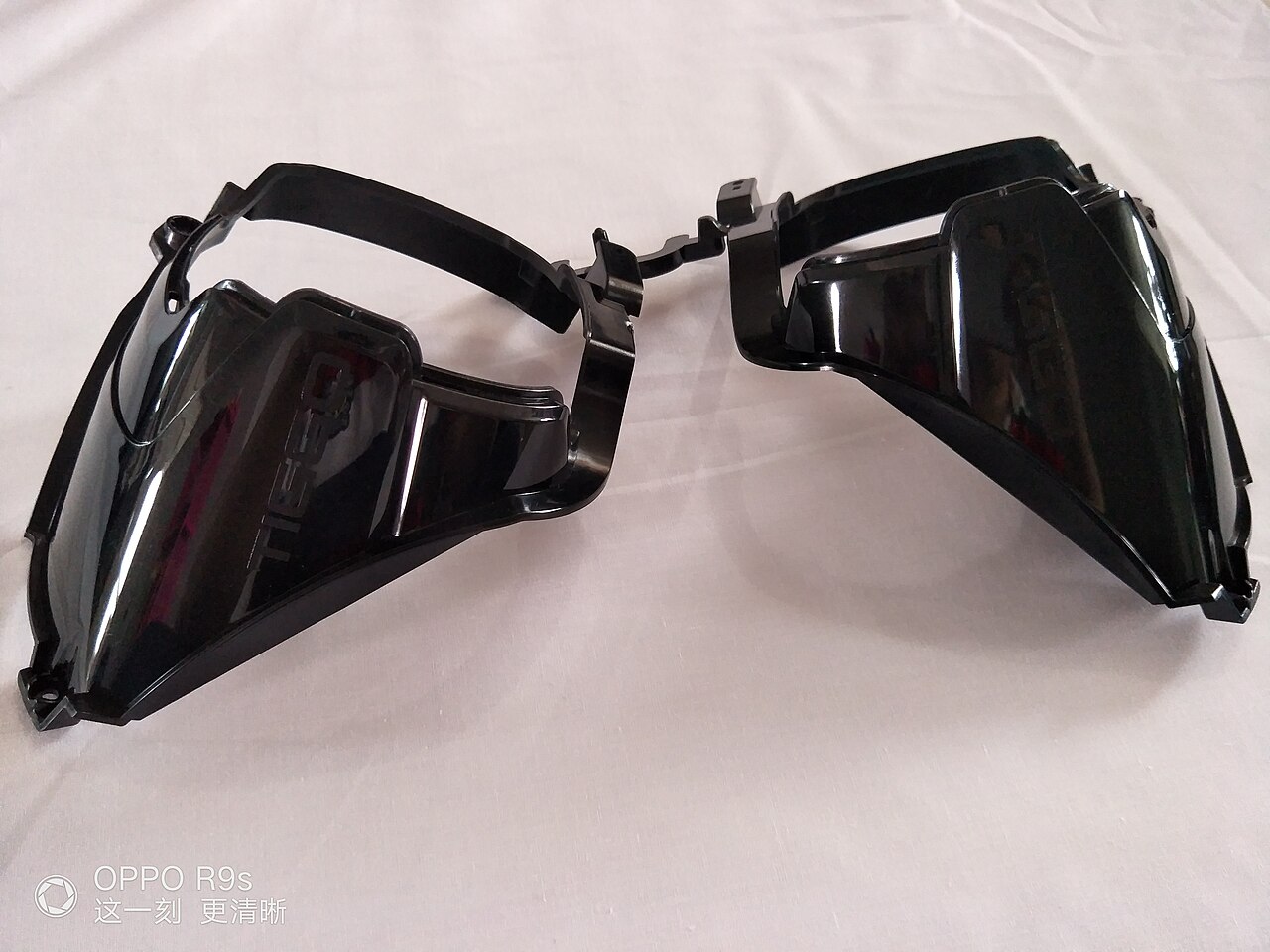
In daily mold shop operations, getting the process window right is half the battle. For unfilled general-purpose grades like ABS and PP, melt temperatures typically range from 200°C to 260°C, while mold surface temperature should be held between 40°C and 80°C. Injection pressure for these materials usually falls between 60 and 120 MPa, with a holding pressure at 50–80% of injection pressure. A critical detail often overlooked is the screw back pressure: for ABS, 0.5–1.0 MPa is sufficient, but for PC or PC/ABS blends, you need at least 1.5–2.5 MPa to ensure uniform melt homogenization and prevent splay marks. Also, remember that mold cooling channel layout directly affects cycle time—for a 2 mm wall thickness, a 20°C cooling water temperature difference can reduce cycle time by up to 15% compared to a 40°C differential.
For semi-crystalline engineering plastics like PA66 and POM, the rules change significantly. PA66 with 30% glass fiber requires a melt temperature of 280–300°C, but mold temperature must be controlled at 80–120°C to achieve optimal surface finish and dimensional stability. POM, on the other hand, is sensitive to residence time—keep melt temperature at 190–210°C and avoid dwell times over 6 minutes to prevent thermal degradation and formaldehyde gas release. When designing the mold, pay attention to gate size: for POM, a gate diameter of at least 0.8× wall thickness is recommended to prevent jetting, while for PA66+GF30, a full-round gate with a land length of 1.0–1.5 mm helps reduce fiber breakage. Injection speed should be medium-to-fast for PA66 to fill the cavity before the melt freezes off, but for POM, a two-stage profile—slow first 10%, then fast—prevents surface haze.
High-temperature thermoplastics such as PEEK and LCP demand even stricter control. PEEK typically runs at 360–400°C melt temperature with a mold at 160–220°C, and injection pressure can reach 150 MPa. The mold must be built with P20 or H13 tool steel hardened to at least 48 HRC, and hot runner systems need to be purged with a high-viscosity purging compound between runs. Also, never use standard ejector pins without proper venting—for LCP, which flows extremely thin, place vent slots at 0.02–0.03 mm depth and 6–10 mm width at the end of fill. If you are sourcing molds for these demanding materials, always verify the mold supplier's experience with thermal expansion calculations and high-temperature seals. For more detailed process tables and mold sourcing guidance, visit MoldWorld (www.moldw.com) for a comprehensive database of verified toolmakers and material-specific design tips.