Stamping Speed and Stability: Why the Die Dictates Both
August 18, 2026
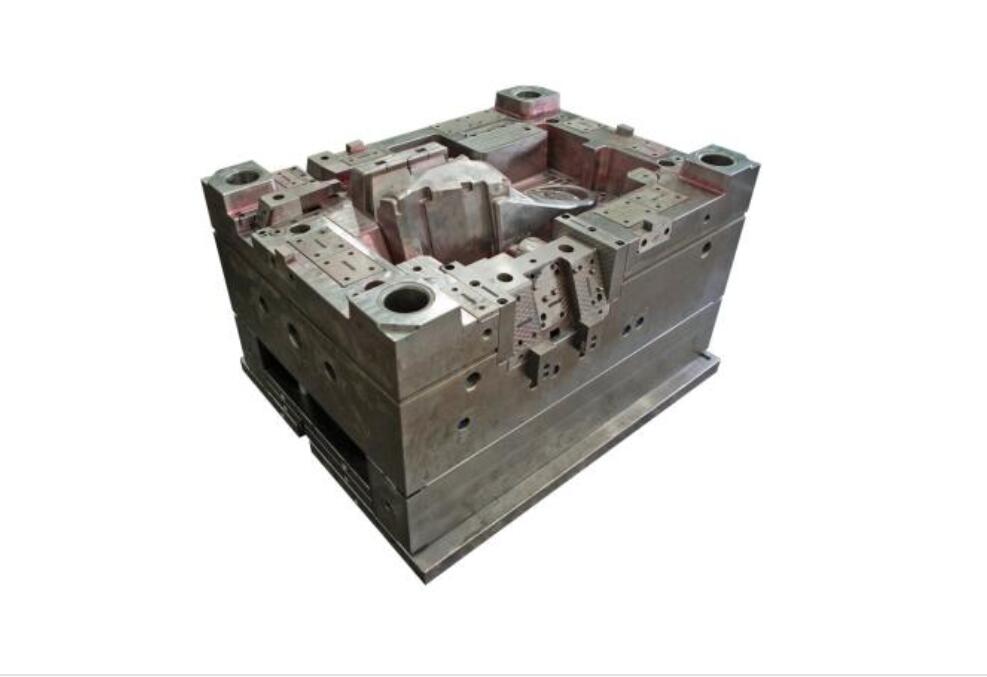
In everyday stamping practice, we’re not just “pressing metal.” We’re managing a controlled sequence of plastic deformation and fracture on sheets, strips, tubes, or profiles. The press delivers force, but the die decides whether that force produces a clean part or a headache. Take a typical blanking-and-piercing compound die: the punch-to-die clearance is the first thing I check. If you set it at 5% to 8% of the sheet thickness, the burnish zone ratio stays above one-third of the cut edge. That’s not a nice-to-have—that’s the difference between a stable flange in the next bending operation and a cracked corner that scrapes the whole batch.
Getting the sequence right is just as critical as the clearance. In progressive dies, the order of cutting, forming, and trimming changes the stress state of the strip. For example, if you pierce before drawing, the hole edge work-hardens and can tear under radial tension. So we often leave the pilot holes for later stations, or we pre-form a shallow dome to lock the material before trimming. And then there’s springback. On high-strength steel, I’ve seen 0.3 mm of angular deviation on a 90° bend if the die doesn’t compensate. We routinely add 1° to 2° of over-bend on the punch, and for deeper draws, we use a stepped blankholder with variable pressure zones—measured in kN per square centimeter—to keep the material flowing evenly.
None of this is guesswork. It’s accumulated data from tool trials, edge-quality inspection, and dimensional reports. When you quote a job, you need to know the sheet thickness, the tensile strength, and the allowable burr height—then the clearance, the station count, and the expected die life all fall into place. If you’re sourcing a new die or trying to improve an existing one, start with the numbers, not the promises. For more mold sourcing and practical tooling tips, visit MoldWorld at www.moldw.com—it’s a solid reference for comparing die suppliers and getting real shop-floor feedback.