Stamping Process Fundamentals: Practical Notes from the Shop Floor
August 18, 2026
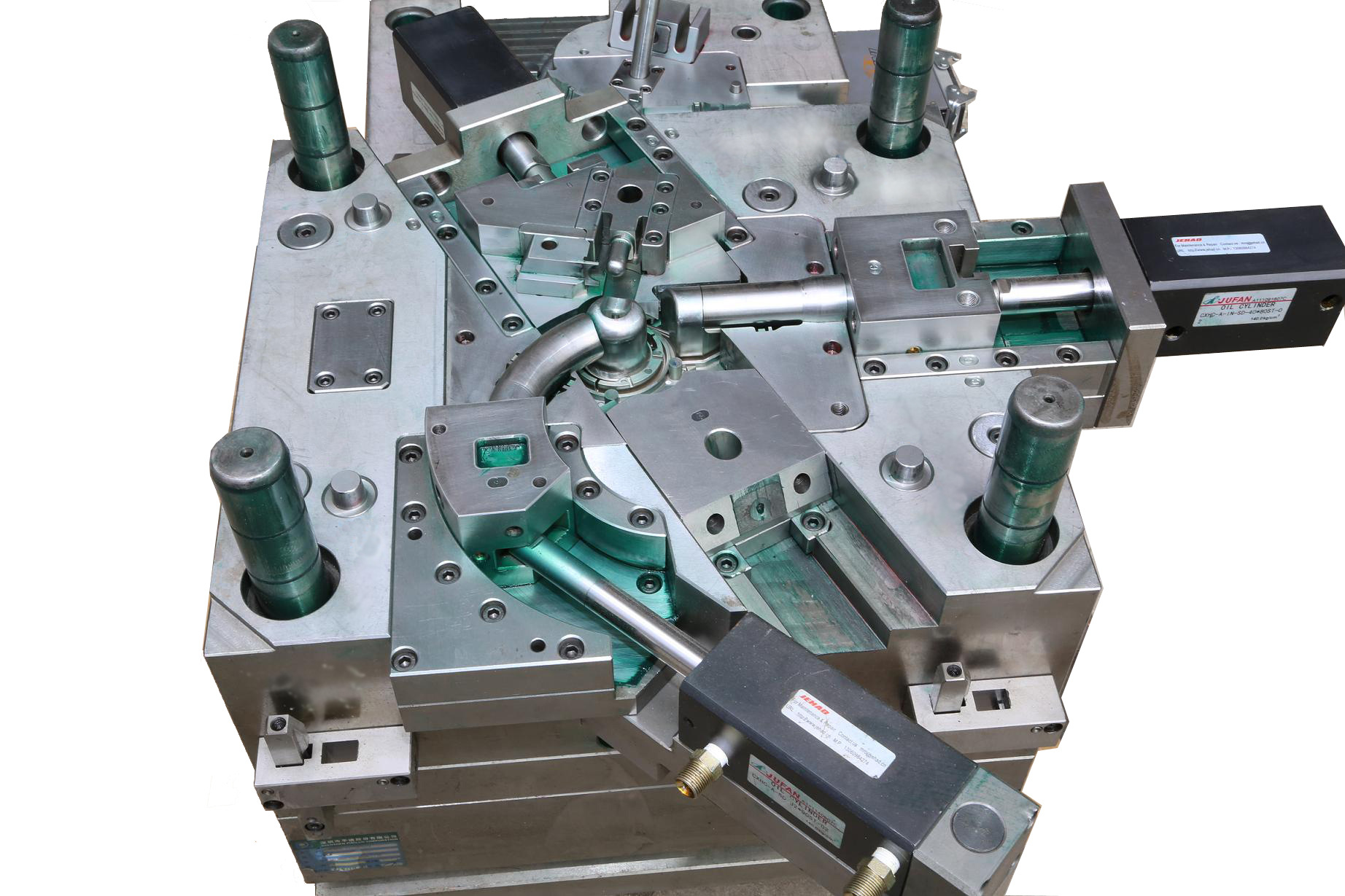
In everyday stamping production, the sequence of operations—blanking, piercing, forming, and drawing—is rarely a straight line. Each step imposes its own constraints on material flow, springback, and edge quality. For example, when blanking thick high-strength steel (e.g., 3.0 mm DP780), the clearance between punch and die should be set at 8–10% of material thickness per side, not the textbook 5–6% used for mild steel. This reduces burr height and extends die life. Similarly, in progressive dies, the pilot hole diameter must be at least 1.5 times the material thickness to avoid distortion during the following forming stages. Many shops overlook the fact that the strip’s feeding pitch error accumulates; a tolerance of ±0.02 mm over 10 stations can easily cause misalignment, so use of a cam-driven pilot with a spring-loaded stripper is recommended for high-speed presses above 200 SPM.
When designing the die itself, pay attention to the draw bead geometry and blank holder force. For a rectangular deep-drawn part with a depth-to-width ratio above 0.7, a double-row draw bead with a height of 6 mm and radius of 3 mm is often necessary to control wrinkling. But the real trick is to measure the actual blank holder force on the press—hydraulic cushions often deliver 15–20% less force than the set value due to valve leakage. In practice, we set the cushion pressure 10% higher than the calculated value and then fine-tune based on the first trial run. Also, for aluminum alloys (e.g., 5052-H32), the punch radius should be at least 4 times the material thickness to prevent fracture at the corner, and lubricant viscosity should be above 100 cSt at 40°C to maintain a stable film under high local pressure.
Finally, never underestimate the role of maintenance in stamping quality. A worn guide bushing with 0.03 mm clearance can cause a 0.15 mm shift in the formed feature, which is unacceptable for automotive chassis parts. We recommend checking the die parallelism every 50,000 strokes and replacing springs after 1 million cycles—compression springs lose 20% of their initial force after that point. Also, monitor the scrap removal system: a jammed scrap strip can deform the die in under 10 minutes. For those sourcing new stamping dies or troubleshooting existing lines, visiting MoldWorld (www.moldw.com) gives you access to verified suppliers and practical technical articles that go beyond the basics.