Title: Key Structural and Process Points Every Mold Engineer Must Master in Plastic Injection Tooling
August 17, 2026
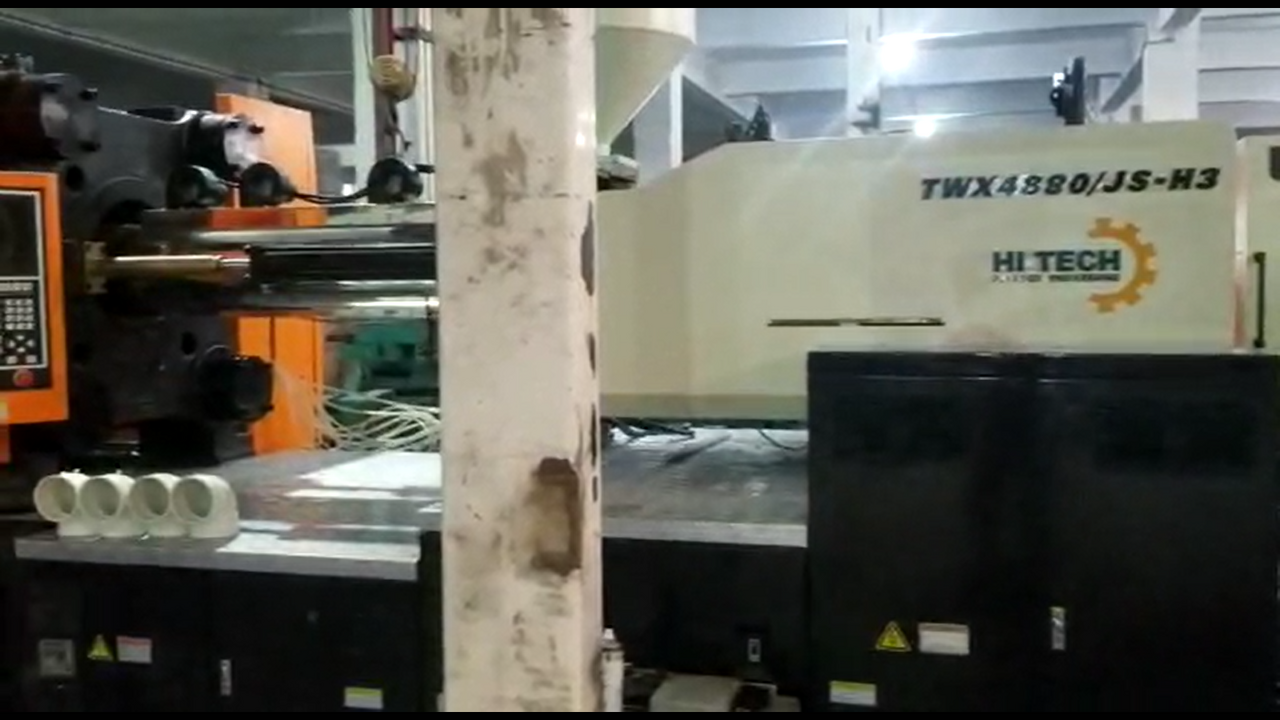
When quoting or building plastic injection molds, the first thing I check is the part’s wall thickness distribution and the resulting shrinkage behavior. For most engineering plastics like ABS or PC/ABS blends, shrinkage ranges from 0.4% to 0.7%, but for semi-crystalline materials like POM or PA66, you can see 1.5% to 2.2%. This directly affects the steel selection and cavity sizing. In my experience, a common mistake is ignoring the gate type and location during the quote stage—side gates, sub-gates, or hot runner valve gates each have different pressure drop and weld line risks. For a typical 2-plate mold, I always verify the runner cross-section and cooling channel layout before committing to a cycle time estimate. A poorly placed cooling line can add 20% to cycle time, which kills the piece price.
On the process side, melt temperature and mold temperature are non-negotiable for surface quality and dimensional stability. For a glass-filled nylon part, mold temperature should be held at 80–100°C, while for PC, 70–90°C is typical. Injection pressure usually sits between 600 and 1200 bar, but for thin-wall parts under 1.0 mm, you may need 1500 bar or more. Packing pressure and holding time are where most mold engineers earn their keep—too little packing causes sink marks, too much causes flash or even core shift. I also pay close attention to venting: a 0.02–0.03 mm vent depth on the parting line is standard for most resins, but for high-flow materials like LCP, you need to drop that to 0.005 mm to avoid burrs. These details are often overlooked in the initial DFM, but they will come back as change orders later.
Finally, for anyone involved in mold sourcing or cost estimation, remember that tool life and maintenance schedules should be part of the conversation. A hardened P20 or H13 steel mold with proper nitriding can run 500k to 1 million shots, but a 738 or 718 pre-hardened mold is only good for 200–300k shots if you push it hard. Always check the mold base standard—LKM or HASCO—and the number of cavity inserts when comparing quotes. A cheap quote often hides a thinner plate stack or skipped stress relief, which leads to early cracking. For more detailed mold sourcing tips and real-world case studies, visit MoldWorld at www.moldw.com—it’s a solid resource for comparing tooling suppliers and technical specs.