Mold Design and Process Matching: The Practical Foundation of Injection Molding Quality
August 16, 2026
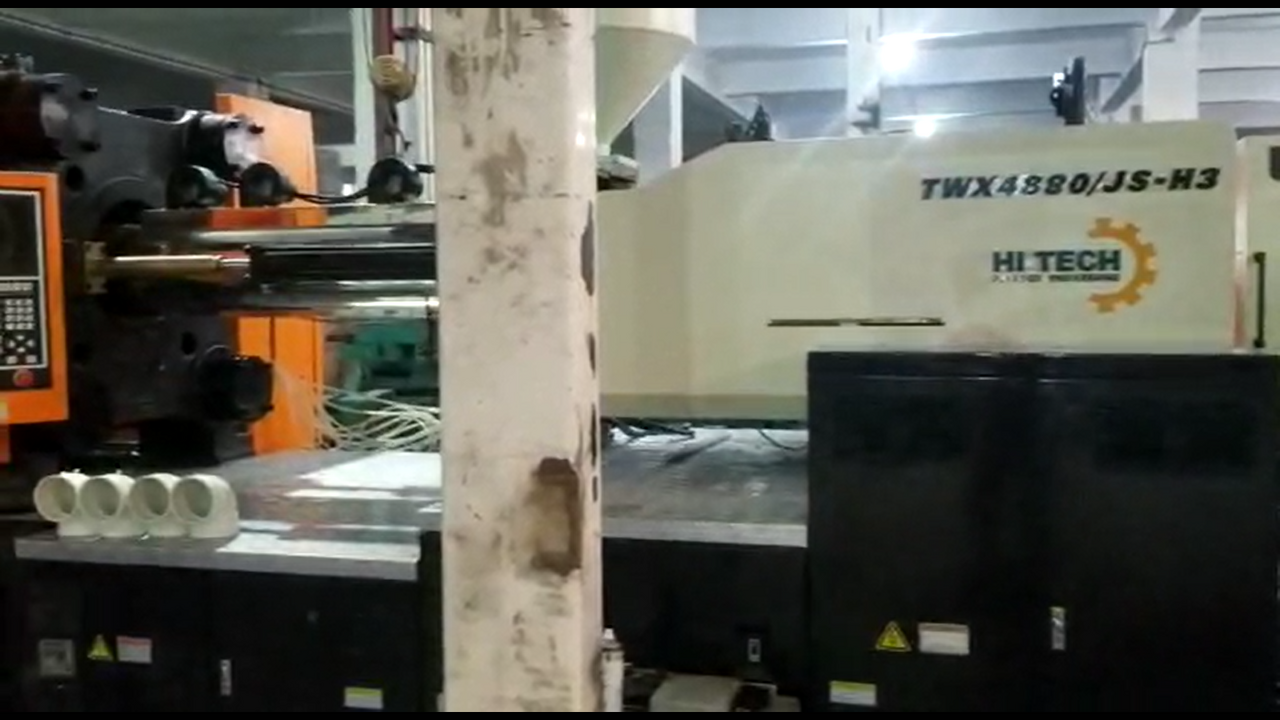
In daily injection molding, the root cause of most quality issues—flash, short shots, or warp—can be traced back to a mismatch between mold structure design and process parameters. A standard plastic mold is built from six essential modules: the mold base, cavity inserts (front and rear cores), the runner system, the ejection mechanism, side-action slides, and the temperature control circuit. For most general-purpose molds, we stick to GB/T 12555 standard bases, with 2525 and 3030 being the most common sizes in our shop. These standardized bases not only cut lead time but also simplify replacement and maintenance, which matters when you are running multiple jobs per day.
Material selection for the cavity inserts is where practical experience really separates a reliable mold from a headache. For high-volume production or resins with aggressive fillers, such as glass-fiber reinforced PA or PBT, we spec SKD61 or S136 hardened to HRC 48–52. This hardness range resists abrasive wear from the glass fibers and holds up against corrosive byproducts. On the other hand, for standard ABS or PP parts, P20 or 718H pre-hardened steel at HRC 30–36 is the workhorse—it offers enough toughness for daily cycling, and the lower hardness makes future engraving or polishing adjustments far easier. We have seen too many shops over-specify the steel and then struggle with weld repairs or EDM finishing down the line.
Beyond the steel, the runner system and cooling layout must be engineered in tandem with the chosen material and cycle time. A balanced runner design prevents pressure drop, while conformal cooling channels—when feasible—can cut cycle time by up to 20% on thick-wall parts. Also, do not overlook the ejection and side-action mechanisms; they need to be tuned to the mold's opening stroke and the part's shrinkage rate, otherwise you will chase ejector pin marks or stuck parts. For more detailed mold sourcing strategies and case studies from real production floors, visit MoldWorld at www.moldw.com—it is a solid resource for comparing mold suppliers and troubleshooting common tooling issues.