Title: Understanding the Core Logic of Moving and Fixed Mold Halves in Plastic Injection Molds
August 16, 2026
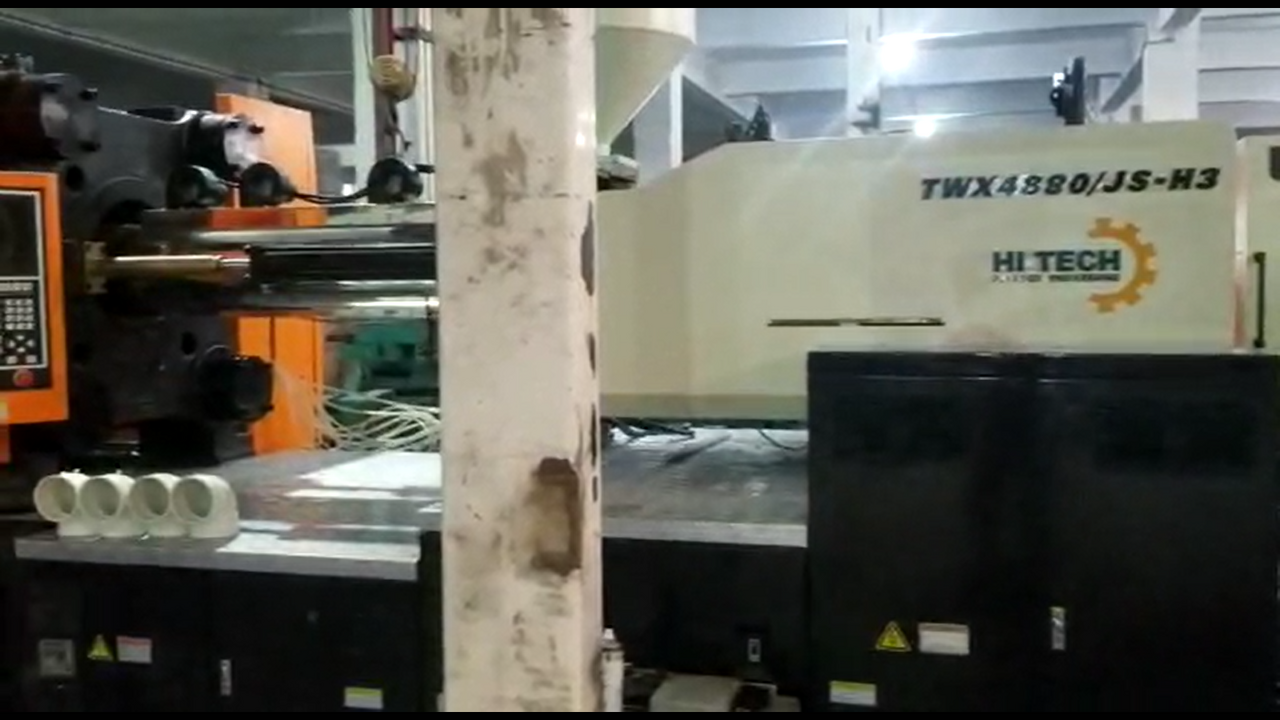
In any standard plastic injection mold, the fixed half (cavity side) and the moving half (core side) are not just mechanical opposites—they represent a deliberate division of labor that affects everything from part ejection to cooling efficiency. The fixed half is typically mounted on the injection machine’s platen, housing the sprue bushing, locating ring, and often the main cavity surface. Its primary job is to receive the molten resin and guide it into the cavity, while also carrying the bulk of the part’s external geometry. The moving half, on the other hand, is attached to the clamping unit and usually contains the core, ejector system, and any side-action mechanisms. This split is not arbitrary: it ensures that when the mold opens, the part stays on the moving half, where ejector pins can push it out cleanly without interfering with the nozzle or sprue puller.
From a practical quoting standpoint, the division also dictates cost and complexity. For example, a mold with deep ribs or undercuts on the moving half will require more complex ejection—such as lifters or angled pins—which directly increases machining time and steel cost. Conversely, if the fixed half needs intricate cooling channels near the cavity surface, that often means added drilling or brazing operations, pushing up the mold price. A rule of thumb I use when estimating: the moving half typically accounts for 55–65% of the total mold cost, because it carries the ejection system and most of the moving parts. In contrast, the fixed half is usually simpler, but its surface finish and cooling design directly affect cycle time and part cosmetics. Ignoring this balance during quoting leads to either overpricing (losing the job) or underpricing (losing profit).
For mold maintenance and troubleshooting, knowing which half does what saves hours on the press. If you see short shots or burn marks near the gate, the issue is almost always in the fixed half—runner or gate design. If you see part sticking or ejection marks, the problem is in the moving half—ejector pin alignment or draft angle. Always verify that the moving half’s ejector plate return springs are not worn, as this is a common cause of bent pins and cracked cores. And when sourcing a new mold, ask the builder for a clear breakdown of which half carries which features—this helps you compare quotes fairly and anticipate future repair costs. For more detailed mold sourcing and cost breakdowns, visit MoldWorld at www.moldw.com—a practical resource for mold buyers and engineers alike.