Mold Quoting Fundamentals: From Classification to Cost Drivers
August 16, 2026
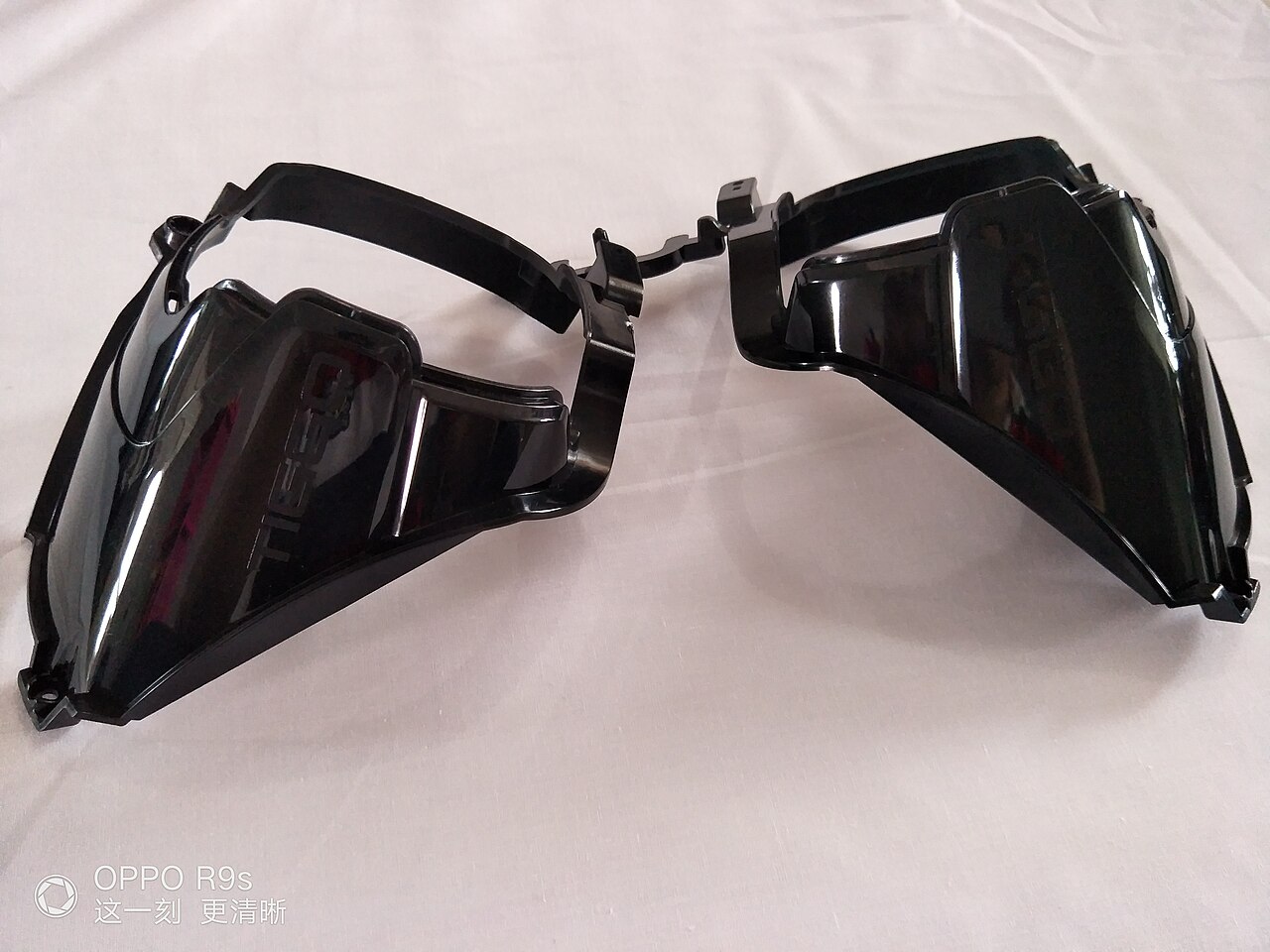
Understanding mold classification is the first step toward accurate quoting. In practice, molds are generally divided into two broad categories: plastic injection molds and die-casting molds, with further sub-classification by structure—two-plate, three-plate, hot-runner, and stack molds. Each structure directly affects material consumption, machining complexity, and cycle time. For instance, a three-plate mold allows for pin-point gating, which is ideal for multi-cavity layouts, but it adds roughly 15–20% to the machining cost compared to a two-plate design. Meanwhile, hot-runner systems can reduce cycle time by 20–30% but increase upfront cost by 30–50%, depending on the number of drops and the brand of the hot-half system. A professional quote must first lock down the mold type, cavity count, and expected annual output, because these parameters set the baseline for steel selection and tolerance requirements.
On the cost side, the core components of a mold quotation are material, machining, standard parts, and tryout. Steel grade is a major lever: P20 is common for low-volume prototypes, while S136 or 2316 is specified for corrosive resins like PVC or high-gloss applications, adding 40–60% to the raw material cost. Machining hours, especially for CNC and EDM, are often calculated based on the projected surface area and the number of deep ribs or narrow inserts. A typical rule of thumb in the industry is that machining accounts for 40–50% of the total mold cost, and any design change after the DFM stage can easily push that up by 10–15%. Also, do not overlook the cost of ejection systems and cooling channels—conformal cooling, for example, can cut cooling time by 30% but requires additive manufacturing or five-axis machining, which raises the hourly rate significantly.
Finally, the quotation must include realistic tryout and sampling costs. A standard mold tryout consumes 100–200 shots, and if the material is engineering-grade like PC/ABS, the material cost alone can reach several hundred dollars per session. Moreover, the mold trial should be scheduled with the actual production machine in mind—clamping force and injection unit size affect fill behavior, and a mismatch can lead to false conclusions about flash or short shots. A good quote will also state the expected mold life, typically 300k–500k shots for production tools, and the maintenance interval. For buyers comparing suppliers, always ask for a breakdown of steel cost, machining hours, and standard part brands. For more detailed mold sourcing and quoting guidelines, visit MoldWorld (www.moldw.com), where you can find verified suppliers and practical cost benchmarks.