Mold Fundamentals: From Classification to Quoting—Core Knowledge Every Mold Professional Must Master
August 14, 2026
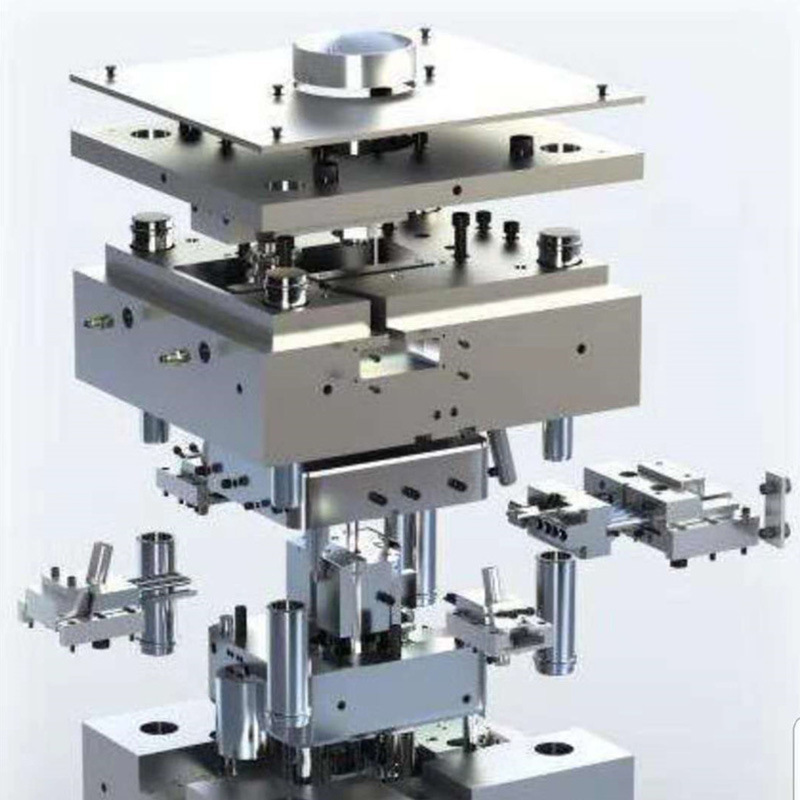
In the mold industry, a solid grasp of basic mold knowledge is the foundation for accurate quoting and efficient production. Molds are broadly classified by process type—injection, compression, transfer, and die-casting—each with distinct design parameters and cost structures. For injection molds, the key variables include cavity count, steel grade (e.g., P20, H13, or S136), and cooling channel layout. A single-cavity mold for a simple part might cost $8,000–$15,000, while a multi-cavity, hot-runner mold for high-volume production can easily exceed $50,000. Understanding these classifications directly impacts how we structure a quote, because tool life, cycle time, and maintenance requirements differ significantly across mold types.
When preparing a quotation, the mold engineer must break down costs into material, machining, assembly, and tryout. Steel selection alone can swing the quote by 20–30%—for instance, using pre-hardened P20 for low-volume prototypes versus S136 for corrosion-resistant, high-gloss parts. Machining costs are driven by electrode consumption, CNC programming hours, and EDM time; a typical 2-cavity mold with 10 inserts might require 80–120 hours of CNC work and 15–20 hours of EDM. Additionally, don’t overlook standard components like ejector pins, springs, and limit switches, which add 5–8% to the total. A realistic quote also includes 5–10% contingency for steel defects or unexpected rework during tryout, a practice that separates profitable shops from those losing money on every job.
Finally, effective quoting is not just about numbers—it’s about communication. Always clarify the customer’s annual volume, expected part tolerance, and surface finish requirements before locking in a price. For example, a mirror-polished cavity (SPI A-1) requires extra polishing hours and a higher-grade steel, adding $2,000–$3,000 to the tool cost. Similarly, if the part has deep ribs or tight corners, plan for additional EDM or even 5-axis milling, which raises the quote but prevents costly revisions later. By keeping these technical realities in mind, you can build a quote that is both competitive and realistic. For more mold sourcing insights and industry benchmarks, visit MoldWorld at www.moldw.com—a practical resource for mold buyers and makers alike.