Mold Basics Every Mold Engineer Must Master: From Classification to Quoting
August 13, 2026
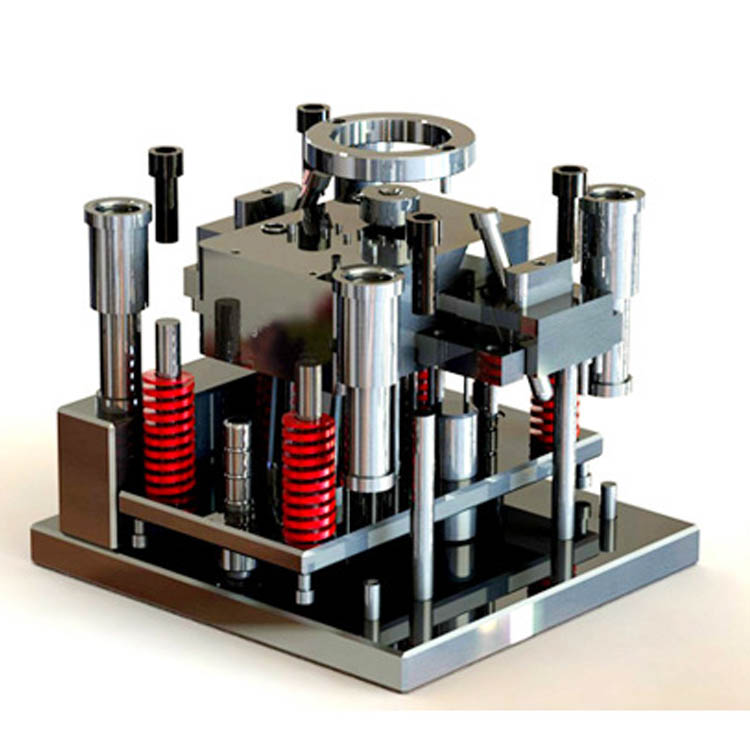
In the mold industry, getting the basics right is half the battle won—especially when it comes to quoting. A mold’s classification is the first thing we look at: injection molds, die-casting molds, stamping dies, and blow molds each have distinct lifespans, steel requirements, and tolerance standards. For an injection mold, the cavity count and hot-runner system directly affect the unit cost. A standard two-plate mold with a single cavity might run 8,000–12,000 shots before needing major maintenance, while a multi-cavity hot-runner mold can push 300,000–500,000 cycles if the steel is properly selected. The mold base, typically P20 or 718H for production, and the core inserts—often H13 or S136—determine both the upfront price and the long-term reliability. Don’t forget the cooling channel design: a well-placed conformal cooling line can cut cycle time by 15–20%, which is a huge selling point when you present the quote to a client.
When we move to quoting, the real numbers start to matter. Material cost is roughly 30–40% of the total mold price, with machining and EDM work taking another 30–35%. Assembly and tryout add 10–15%, and the rest goes to design, documentation, and profit margin. A typical 1×1 injection mold for a medium-sized part (like a 200g automotive bracket) in P20 steel might quote at $8,000–$15,000, but the same mold in S136 with a hot runner and hardened inserts jumps to $20,000–$35,000. The key is to break down the quote into visible line items: steel, standard parts (ejector pins, springs, limit switches), machining hours, heat treatment, and surface finish (e.g., SPI A2 or a textured VDI 30). Clients respect a transparent breakdown—it shows you know your shop’s real costs and helps avoid nasty surprises during the approval stage.
Beyond the numbers, a mold engineer’s job is to align the quote with the part’s production volume and tolerance requirements. If the annual volume is under 50,000 pieces, a soft tool with pre-hardened steel and a simple two-plate design is the smart choice. For volumes above 200,000, you need hardened tooling with guided ejection and a robust cooling layout—this justifies a higher quote. Always factor in the cost of potential rework: a poorly vented cavity can cause burn marks and add 5–10 hours of polishing time, which eats into your margin. And remember, the quote is not just a price—it’s a promise of reliability. For a deeper dive into mold sourcing strategies, cost benchmarks, and supplier evaluation, visit MoldWorld (www.moldw.com) for practical resources and a global network of vetted mold makers.