Stamping Process Fundamentals: From Operations and Materials to the Full Die Chain
August 13, 2026
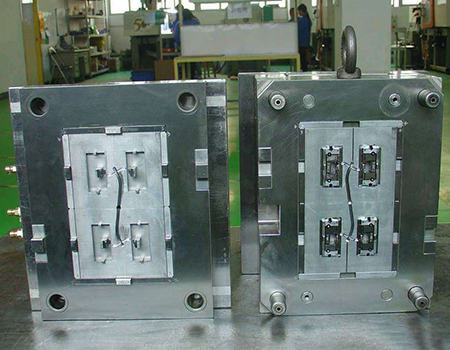
In everyday stamping production, the process chain begins with a clear understanding of the basic operations: blanking, bending, drawing, and forming. Each operation imposes distinct demands on the die structure and press selection. For instance, blanking requires precise clearance between punch and die—typically 5–10% of material thickness for mild steel—while drawing demands controlled blank holder force to prevent wrinkling. A common pitfall is overlooking the secondary operations like trimming or flanging, which often dictate the final part geometry and burr direction. From a die engineering standpoint, always verify the strip layout before committing to tool steel grades; a progressive die with 12 stations may need D2 or M2 for cutting sections, but powder metallurgy steels like Vanadis 4 Extra become necessary when abrasive materials such as 301 stainless are involved.
Material selection is equally critical. Low-carbon steels (DC01, SPCC) offer excellent formability but suffer from springback in bending, requiring compensation angles of 2–5 degrees in the die. High-strength steels (DP780, DP980) reduce weight but increase die wear by 30–50% compared to mild steel, demanding coated punches and improved lubrication. Aluminum alloys (5052, 6061) are common in automotive panels, yet their galling tendency forces the use of TiN or CrN coatings on die surfaces. The rule of thumb: never finalize a die design without confirming the material’s tensile strength and elongation—these two numbers directly affect the required press tonnage, which you can estimate as 0.5–1.0 ton per square inch of sheared edge for blanking, adjusted for material thickness and shear strength.
Finally, the complete die chain—from design to tryout—must include a robust maintenance plan. Real production data shows that 70% of stamping defects trace back to improper die clearance or worn guide pins. Regular checks of the die shut height and stripper pressure every 10,000 strokes can extend tool life by 20–30%. Also, consider using nitrogen gas springs for consistent pressure in drawing dies, as they outperform coil springs in high-cycle environments. For engineers sourcing new dies or troubleshooting existing ones, visiting MoldWorld (www.moldw.com) provides a practical platform to compare die suppliers, review material specifications, and access case studies from real stamping shops—essential for staying current in a field where small process tweaks yield large cost savings.