Title: Separation vs. Forming in Stamping: Engineering Fundamentals for Die Design
August 13, 2026
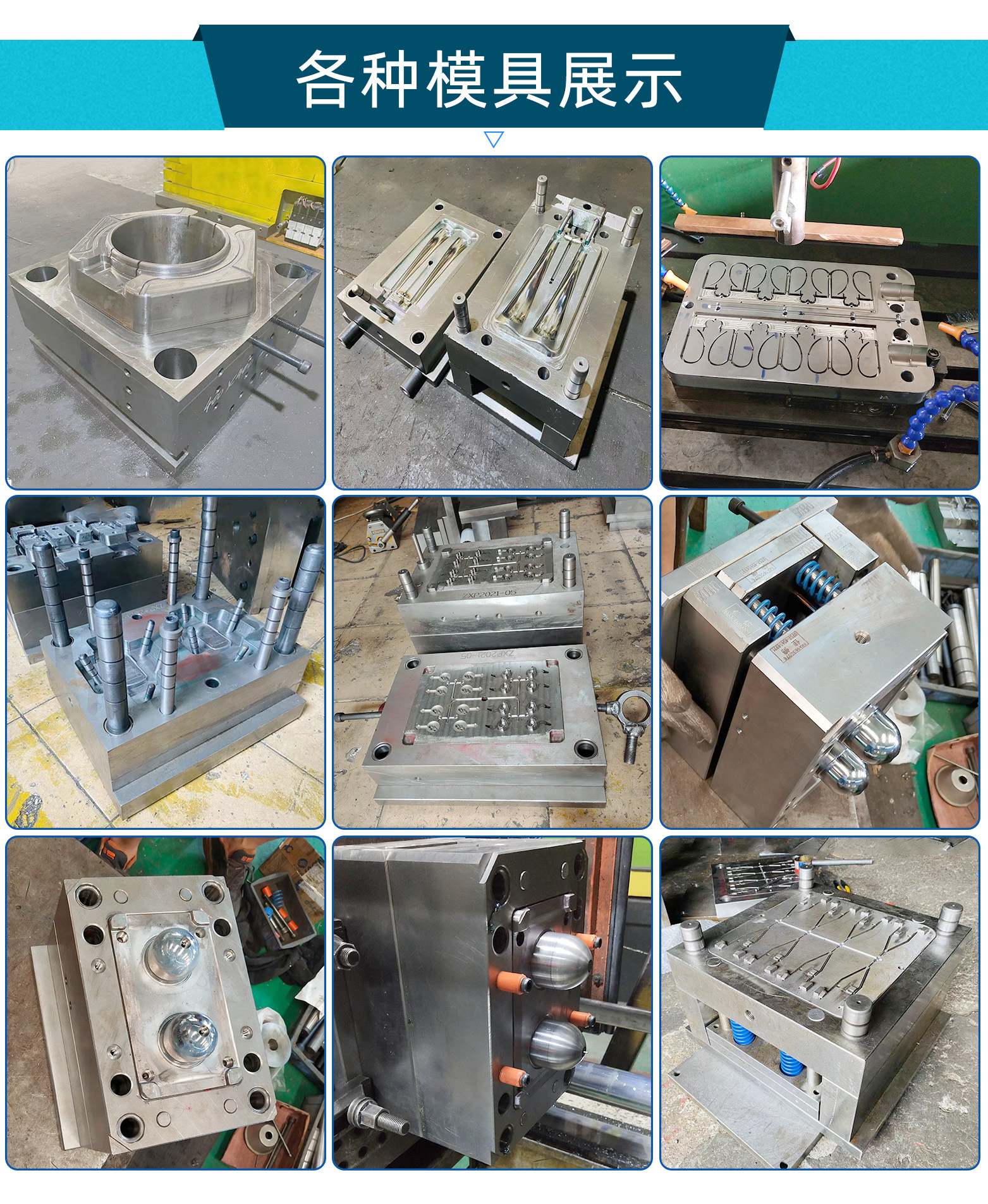
In stamping, every operation falls into one of two families: separation or forming. Separation processes—blanking, punching, trimming, and shaving—cut material along a closed or open contour. The critical parameters are punch-to-die clearance, which typically ranges from 5% to 10% of material thickness for mild steel, and cutting edge condition. For example, a 2.0 mm thick SPCC sheet requires a clearance of 0.10–0.20 mm per side. Too little clearance causes secondary shear and excessive burr; too much creates a large rollover and a torn fracture zone. Die engineers must also control the blanking force, calculated as perimeter × thickness × shear strength, and account for stripping force, which can reach 10–20% of blanking force depending on material springback.
Forming operations—bending, drawing, flanging, and stretching—rely on plastic deformation without material separation. The key is controlling the stress state to avoid necking, wrinkling, or fracture. For bending, the minimum bend radius is generally 0.5–1.0 times the sheet thickness for low-carbon steel, but increases with harder materials like high-strength steels. In deep drawing, the limiting drawing ratio (LDR) for cylindrical cups is typically around 2.0 for aluminum and 2.2 for steel, requiring multiple draws with intermediate annealing for deeper parts. Blank holder force must be tuned to prevent wrinkling while allowing material flow; too high a force restricts flow and causes tearing, too low leads to flange wrinkles. Die radius and punch nose radius directly affect thinning distribution, and lubrication selection—oil, dry film, or polymer coating—changes friction behavior significantly.
From a tooling perspective, separation dies are simpler to maintain—sharpening the cutting edges restores performance—but they suffer from edge wear and galling. Forming dies require more precise surface finishing and often use nitrided or coated inserts (TiN, CrN) to reduce pickup and extend life. In production, combining both operation types in progressive dies demands careful strip layout and force balancing to avoid deflection. Always validate with simulation (e.g., AutoForm or PAM-STAMP) before hard tooling, and monitor real-time tonnage signals on the press to detect tool wear or material variation. For more practical stamping die guidance and sourcing of tooling components, visit MoldWorld at www.moldw.com.