Title: Understanding Core and Cavity in Plastic Injection Molds: A Practical Breakdown
August 13, 2026
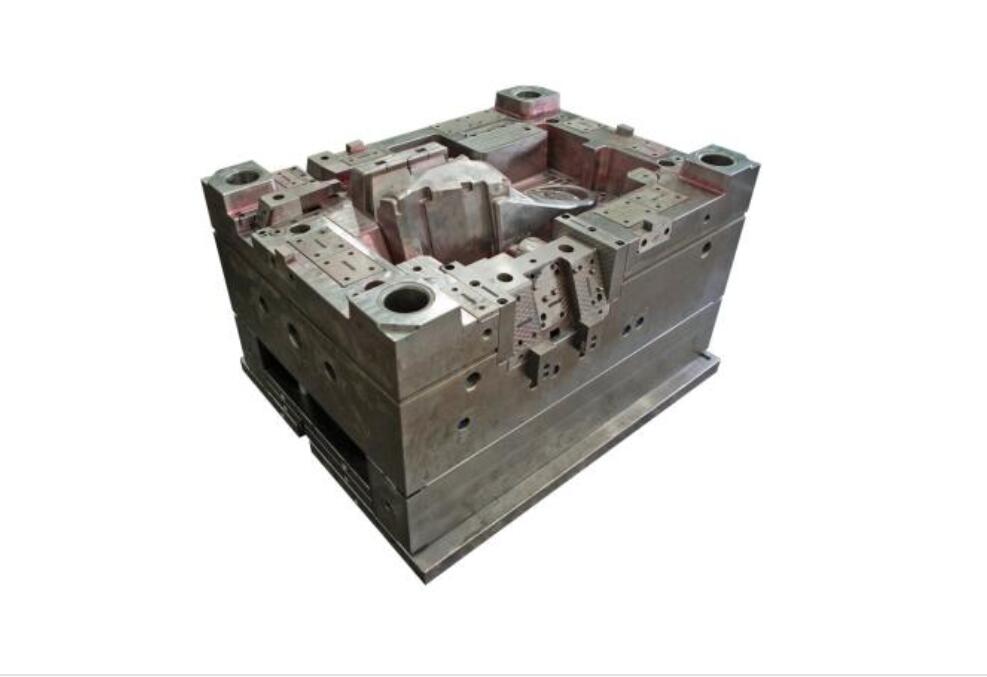
In plastic injection mold design, the core and cavity—commonly referred to as the moving half and fixed half—are the two fundamental halves that open and close during each cycle. The fixed half (cavity side) is bolted to the stationary platen of the injection machine and houses the sprue bushing, runner system, and the cavity side of the part. The moving half (core side) travels with the machine’s moving platen and carries the ejection system, slides, lifters, and the core geometry. The parting line between these two halves dictates the part’s ejection direction, and it is standard practice to design 3° to 5° of draft angle on the moving half to ensure clean release, while the fixed half must be optimized for unobstructed melt flow to avoid hesitation or short shots.
Steel selection for the two halves is where practical cost control meets performance. The fixed half sees direct contact with high-temperature melt, so it demands higher hardness and wear resistance. Common choices are S136 or 718H pre-hardened steel, typically hardened to 48–52 HRC. These grades resist corrosion and thermal fatigue, which is critical for long production runs. The moving half, on the other hand, experiences more mechanical stress from ejection and sliding actions, but less direct thermal exposure. Here, P20 or NAK80 are commonly used, running at 38–42 HRC. This combination is not arbitrary—it reduces material cost by roughly 15–20% compared to using premium steel for both halves, without sacrificing mold life in typical production environments.
In practice, the split between core and cavity also affects maintenance strategy. The moving half, being more exposed to wear from slides and ejector pins, is usually the first to need rework, and using a lower-cost steel there makes replacement or repair more economical. Meanwhile, the fixed half’s higher hardness ensures the gate area and runner stay dimensionally stable, which directly impacts part consistency. For mold buyers and engineers, getting the core/cavity steel pairing right is a balancing act between upfront tooling cost and long-term reliability. For more detailed mold sourcing guidance and supplier comparisons, visit MoldWorld at www.moldw.com.