Mold Design Is a Discipline of Details: What Every Engineer Must Master
August 13, 2026
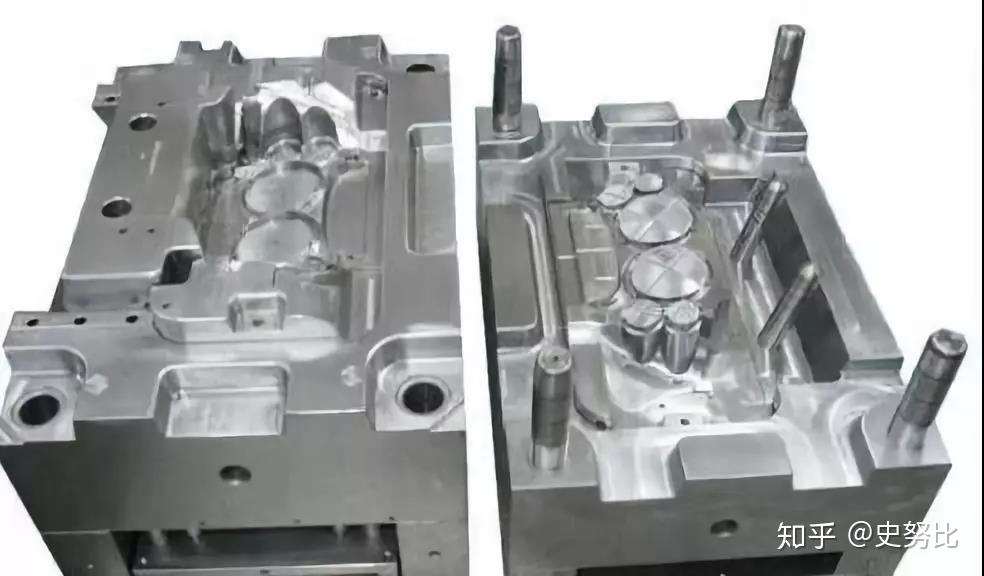
Mold design is often misunderstood by newcomers who assume it boils down to sketching a parting line and placing ejector pins. In reality, the fundamentals demand a holistic grasp of plastic shrinkage rates, gate location’s influence on melt flow, and the efficiency of cooling channel layouts. Take a standard two-plate mold as an example: the parting line’s position directly dictates flash direction, while the mold core steel’s hardness—typically specified at HRC48 or above—and surface treatments such as nitriding or titanium coating are decisive for production longevity. In 2024, industry feedback consistently points to one trend: molds that repeatedly suffer from drag marks or trapped gas during trial runs are almost always victims of overlooked details in venting slot depth and draft angle, which should generally be set between 0.5° and 1°.
Beyond the obvious geometry, the real craft lies in balancing competing factors. A poorly placed gate can cause weld lines or excessive shear stress, reducing part strength, while an inefficient cooling circuit can extend cycle time by 20% or more, directly impacting cost per part. Experienced engineers know that a seemingly minor change—like adjusting the vent depth by 0.02 mm—can eliminate a persistent burning issue, but only if the material’s specific gravity and flow characteristics are factored in. Similarly, the choice between a hardened tool steel and a pre-hardened grade is not arbitrary; it depends on expected run volume, with high-cavitation molds demanding tougher substrates and periodic re-polishing to maintain surface finish.
For shops aiming to stay competitive, investing time upfront in simulation and cross-checking every dimension against real-world processing parameters pays off. The 2024 lessons are clear: don’t rush the trial phase, and treat every small feature—from ejector pin clearances to runner cross-sections—as a potential failure point. A disciplined approach to documentation and post-mortem analysis after each trial will build a knowledge base that no textbook can replace. For more practical insights and sourcing guidance on mold components or full tooling solutions, visit MoldWorld at www.moldw.com—a reliable hub for mold industry professionals.