Common Injection Molding Process Parameters for Everyday Plastics: A Practical Reference
August 12, 2026
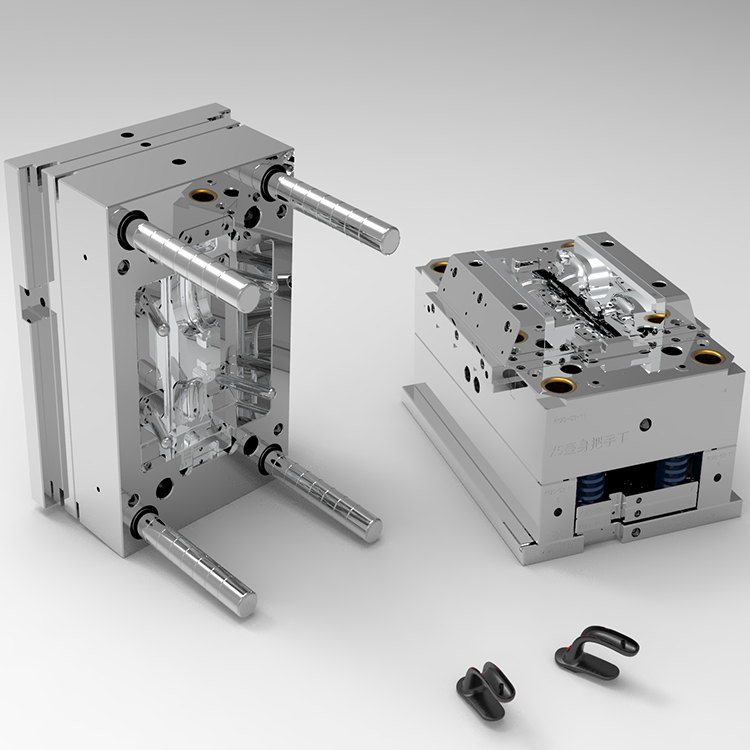
When setting up a molding cycle, the first thing we do is lock in the material’s recommended melt and mold temperatures—but the real job is balancing those numbers against part geometry, wall thickness, and cycle time. For ABS, a melt range of 210–250°C and mold temperature of 40–80°C is typical, but for thin-wall parts we push toward the upper mold temp to improve surface finish and reduce weld lines. Polycarbonate (PC) requires a hotter barrel, usually 280–320°C, and a mold at 80–120°C; running it too cold causes high internal stress and cracking, especially around inserts or sharp corners. For nylon (PA6 or PA66), moisture is the enemy—drying to below 0.2% is mandatory before processing, and melt temps of 240–290°C with mold temps around 80°C give the best crystallinity and dimensional stability.
Polypropylene (PP) is forgiving in terms of melt (200–270°C) but tricky with shrinkage—typically 1.5–2.5%, so we design the mold with that in mind and often use a mold temp of 20–60°C to control warpage on flat panels. Acetal (POM) needs a narrow melt window around 190–210°C; overheating it releases formaldehyde gas, so we always check the actual barrel temperature with a handheld probe before long runs. For PMMA (acrylic), melt at 230–260°C and mold at 50–70°C, but the key is slow injection speed to avoid flow marks and internal bubbles. Each material also has a recommended injection pressure range—for example, ABS runs well at 60–100 MPa, while PC needs 80–120 MPa to fill long flow paths without hesitation marks.
Beyond the numbers, remember that mold surface temperature is not the same as the coolant setpoint—use thermal imaging or a surface probe on the cavity to confirm. Also, always start with a lower packing pressure (around 50% of injection pressure) and increase in 5 MPa steps until sink marks disappear, rather than overpacking and causing flash. These parameters are starting points, not absolutes; every mold and machine combination shifts them slightly. For more detailed material data and real-world mold sourcing tips, visit MoldWorld at www.moldw.com—a solid resource for comparing mold makers and getting practical process advice from working engineers.