Mold Process Selection: The Fine Line Between “Can Do” and “Do It Right”
August 10, 2026
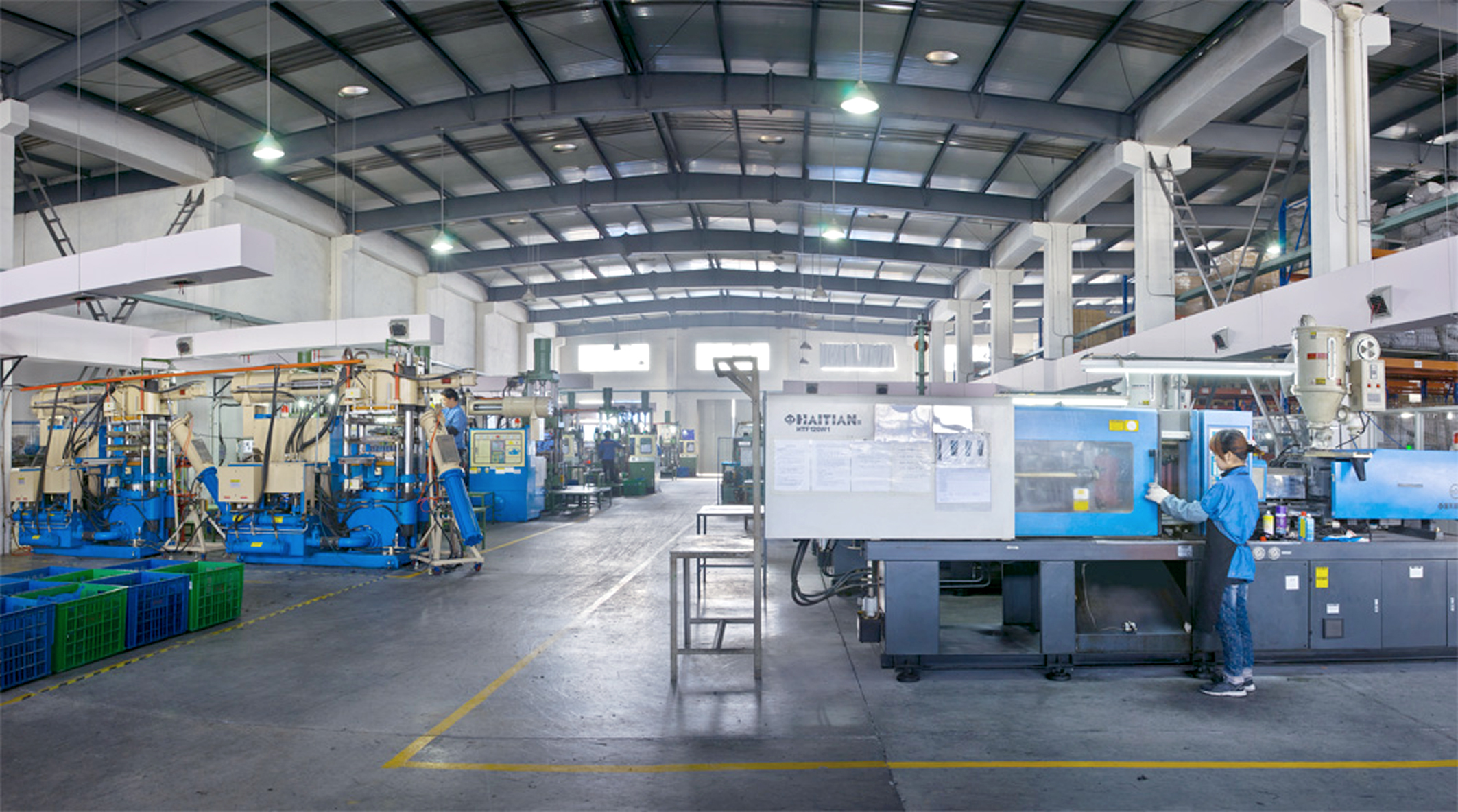
In daily mold engineering work, the subdivision and selection of injection molding processes is a core topic that cannot be bypassed. While conventional injection molding covers the majority of applications, real-world production demands a closer look at how material characteristics, part geometry, and surface finish requirements interact with process settings. For instance, ABS and PC/ABS blends—two of the most common engineering thermoplastics—require distinctly different mold temperature windows. ABS typically runs well with mold temperatures held at 40–60°C, whereas PC/ABS alloys demand a more aggressive 80–100°C range. Drop below that on a PC/ABS part, and you will see short shots or, worse, internal stress cracking that only surfaces after the part cools or is painted. These are not theoretical concerns; they are daily troubleshooting events on the shop floor.
Getting these parameters right starts with the mold design itself. A cavity layout that works for ABS may be marginal for PC/ABS if the cooling circuit is not sized for higher heat extraction. The gate size, runner diameter, and even the venting depth must be revisited when switching materials. For example, PC/ABS is more shear-sensitive than straight ABS, so a restrictive gate that generates high shear can degrade the polymer and create cosmetic defects like silver streaks or burn marks. On the other hand, a mold designed with generous gates and balanced flow can run both materials, but only if the process window is adjusted—including injection speed, packing pressure, and hold time. Experienced mold engineers know that the difference between a “can do” part and a “done right” part often comes down to these 20–30°C of mold temperature and a few millimeters of gate depth.
For production teams, the practical takeaway is to document every successful process setup and link it to the specific material grade, not just the generic resin name. A 10% change in PC content in a PC/ABS blend can shift the optimal mold temperature by 10–15°C, and relying on memory instead of data leads to scrap. When sourcing new molds or evaluating existing ones, always ask for the recommended process range from the toolmaker, and verify it against your own machine’s capabilities. If you are looking for more mold sourcing insights or need to compare tooling suppliers with proven process expertise, visit MoldWorld at www.moldw.com for a comprehensive directory of mold manufacturers and technical resources.