Plastic Mold Structure Breakdown: Core Alignment and Overmolding Process Essentials
August 10, 2026
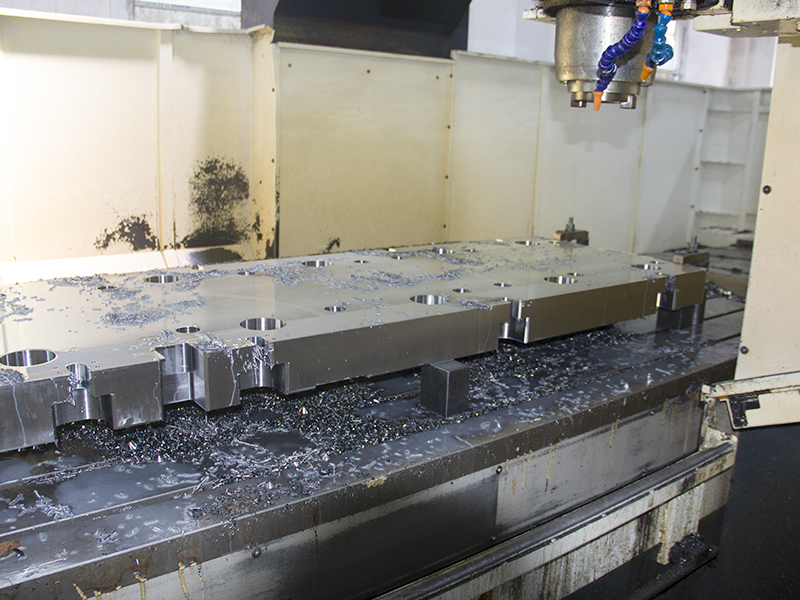
In plastic injection mold design, the moving and fixed mold halves are not just bolted together—their alignment dictates the entire part tolerance chain. The guide pillars and bushings must maintain a clearance of 0.02–0.03 mm on the fit diameter, while the parting line shut-off surfaces need a minimum of 5–8 mm of steel contact for high-cavity-pressure applications. When we talk about overmolding (or two-shot molding), the critical point is the substrate-to-overmold bond. For a typical TPE over PP, the recommended melt temperature is 190–210°C, with a mold surface temperature of 40–60°C to promote adhesion without degrading the substrate. If the substrate has deep ribs or undercuts, you must add mechanical interlocking features—at least 0.3 mm deep undercuts—or the overmold will peel off during demolding, especially on vertical walls.
From a quoting perspective, the mold structure directly impacts cost. A standard two-plate mold with a single parting line is fine for simple housings, but once you add a slide or lifter for side actions, the mold base price jumps by 15–20% per slide. For overmolding, you either need a rotary table machine or a separate mold with a shuttle system. The latter adds about 10–15% to the cycle time because of the extra clamp-open and index time. Also, remember that the overmold cavity is typically 0.05–0.10 mm larger than the substrate part on the mating surfaces—this clearance prevents flash while still allowing the second shot to flow. If you’re quoting a job with a soft-touch handle over a hard ABS core, factor in a 2–3% scrap rate for first-shot warpage, which often shows up when the core wall thickness varies by more than 1.5:1.
In practice, the biggest issue we see on the shop floor is insufficient venting at the overmold shut-off. A 0.02–0.04 mm deep vent, placed every 25–30 mm along the parting line, is mandatory to avoid burn marks on the TPE surface. Also, check the ejector pin layout—for overmolded parts, pins should hit the substrate, not the soft overmold, to avoid sink marks. When the mold is being debugged, run a short-shot test on the first shot alone to verify the substrate’s dimensional stability before committing to the second shot. This saves hours of trial-and-error. For more detailed mold sourcing and structure comparisons, visit MoldWorld (www.moldw.com) for verified suppliers and design case studies.