Mold Structure and Process Fundamentals Every Mold Engineer Must Master
August 10, 2026
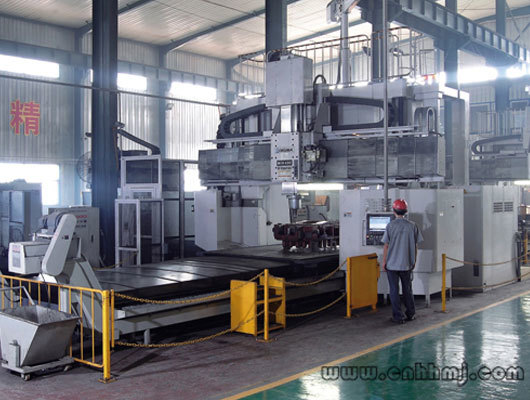
In everyday mold engineering, the structural design of a mold is not just about geometry—it is about load path, thermal balance, and wear resistance. For a typical injection mold, the key structural elements include the parting line, runner system, gate type, cooling channels, and ejection mechanism. A common mistake is over-engineering the cavity steel while neglecting the support plate thickness. For molds above 500 tons clamping force, a support plate thickness under 60 mm often leads to visible deflection and flash on the parting line. Real-world data from tool shops shows that increasing support plate thickness from 50 mm to 70 mm can reduce plate deflection by up to 35%, directly improving dimensional stability on thin-wall parts. Also, the gate location should be validated with flow simulation before steel cutting—moving a gate by just 5 mm can change weld line position and reduce cosmetic reject rates from 8% to under 2% in high-gloss ABS parts.
On the process side, the cooling system is where most cycle time is lost. A well-designed cooling circuit should maintain a temperature difference of no more than 5°C across the cavity surface. Using conformal cooling channels, especially in deep ribs or bosses, can cut cooling time by 20–30% compared to straight-drilled lines. For example, in a 16-cavity PET preform mold, switching from standard baffle cooling to conformal inserts reduced cycle time from 18 seconds to 13.5 seconds, while also lowering part warpage by 0.15 mm. Another critical point is venting. Many mold engineers underestimate vent depth: for engineering plastics like PC/ABS, vent depth should be 0.02–0.03 mm, while for high-flow PP it can go up to 0.05 mm. Insufficient venting causes burn marks and short shots, especially at the end of fill. Always machine vents at the last flow front, and clean them every 10,000 cycles to maintain consistent cavity pressure.
Finally, the interaction between mold structure and process parameters cannot be ignored. Packing pressure should be set based on the actual cavity pressure curve, not just machine tonnage. A typical rule is to start with 80% of the injection pressure for packing, then adjust by 5% increments based on part weight and gate freeze-off time. For molds with hot runners, the nozzle tip temperature should be within ±3°C of the melt temperature to avoid cold slugs or drooling. Also, remember that mold surface treatment—such as nitriding or PVD coating—extends tool life by 2–3 times in abrasive glass-filled materials, but it does not fix a poor ejection angle. Draft angles below 0.5° on textured surfaces will cause sticking, no matter how good the coating is. For those looking to source reliable mold components or compare tooling standards, visiting MoldWorld at www.moldw.com provides practical supplier listings and technical references that can save weeks of trial and error.